The begining - The Revolutionary War
African-American history starts in the 17th century with indentured servitude in the American colonies
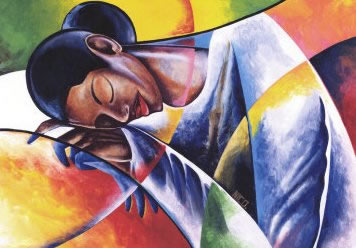
African-American history starts in the 17th century with indentured servitude in the American colonies and progresses onto the election of Barack Obama as the 44th President of the United States. Between those landmarks there were other events and issues, both resolved and ongoing, that were faced by African Americans.
The first recorded Africans in British North America arrived in 1619 as indentured servants who settled in Jamestown, Virginia. As English settlers died from harsh conditions more and more Africans were brought to work as laborers. Africans for many years were similar in legal position to poor English indentured servants, who traded several years labor in exchange for passage to America.
Africans could legally raise crops and cattle to purchase their freedom. They raised families, marrying other Africans and sometimes intermarrying with Native Americans or English settlers. By the 1640s and 1650s, several African families owned farms around Jamestown and some became wealthy by colonial standards.
The popular conception of a race-based slave system did not fully develop until the 18th century. By 1860, there were 3.5 million enslaved African Americans in the United States due to the Atlantic slave trade, and another 500,000 African Americans lived free across the country. In 1863, during the American Civil War, President Abraham Lincoln signed the Emancipation Proclamation. The proclamation declared that all slaves in states which had seceded from the Union were free. Advancing Union troops enforced the proclamation with Texas being the last state to be emancipated in 1865.
In the last decade of the 19th century, racially discriminatory laws and racial violence aimed at African Americans began to mushroom in the United States. These discriminatory acts included racial segregation, which was legally mandated by southern states and nationwide at the local level of government, voter suppression or disenfranchisement in the southern states, denial of economic opportunity or resources nationwide, and private acts of violence and mass racial violence aimed at African Americans unhindered or encouraged by government authorities.
The desperate conditions of African Americans in the South that sparked the Great Migration of the early 20th century, combined with a growing African American intellectual and cultural elite in the Northern United States, led to a movement to fight violence and discrimination against African Americans that, like abolitionism before it, crossed racial lines.
The Civil Rights Movement between 1954 to 1968 was directed at abolishing racial discrimination against African Americans, particularly in the Southern United States. The March on Washington for Jobs and Freedom and the conditions which brought it into being are credited with putting pressure on President John F. Kennedy and then Lyndon B. Johnson.
Johnson put his support behind passage of the Civil Rights Act of 1964 that banned discrimination in public accommodations, employment, and labor unions, and the Voting Rights Act (1965), which expanded federal authority over states to ensure black political participation through protection of voter registration and elections. By 1966, the emergence of the Black Power movement expanded upon the aims of the Civil Rights Movement to include economic and political self-sufficiency, and freedom from white authority.
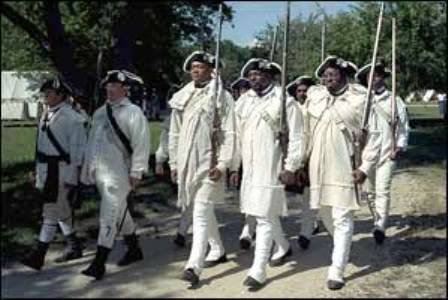
African-American history starts in the 17th century with indentured servitude in the American colonies
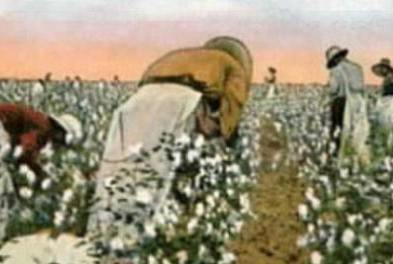
As the cotton-based economy boomed so did slavery, since slaves were needed to man the large-scale and labor-intensive plantations.
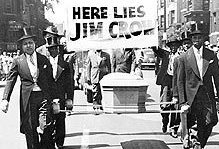
The end of Reconstruction was a staggered process, and the period of Republican control ended at different times in different states.
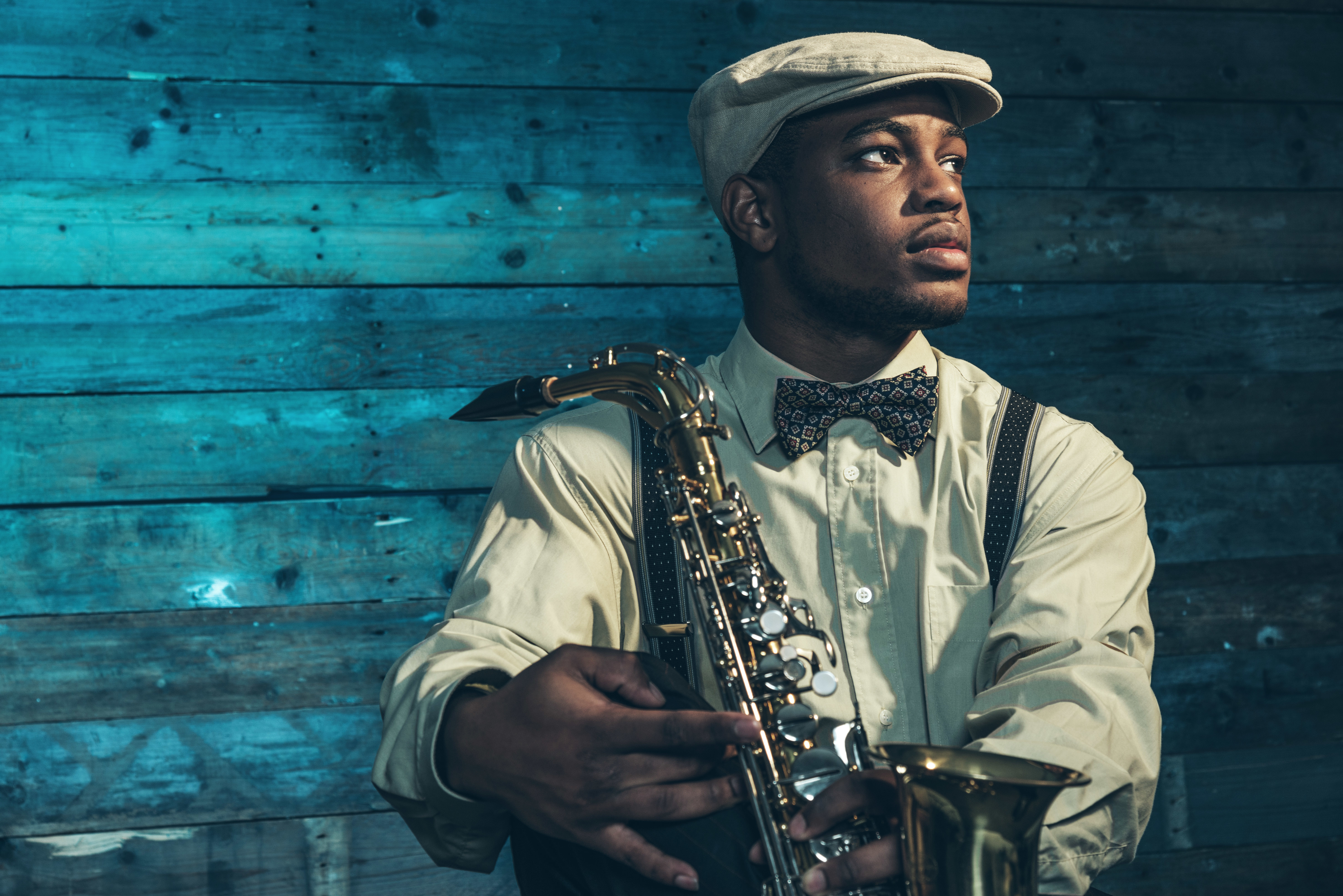
The Harlem Renaissance was a literary and intellectual flowering that fostered a new black cultural identity that began in Harlem, New York.
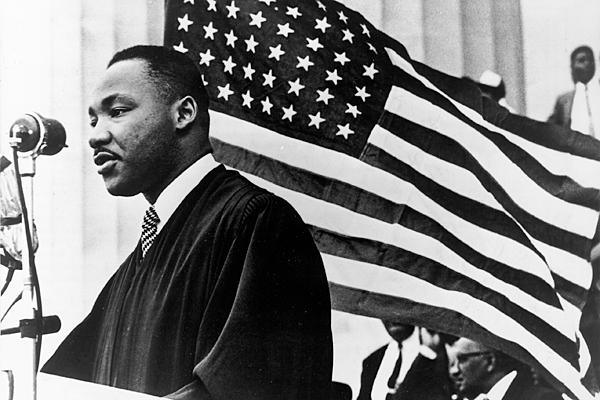
Rosa Parks, Martin Luther King, Malcolm X are some of the names that come to mind when we think of the Civil Rights Movement.
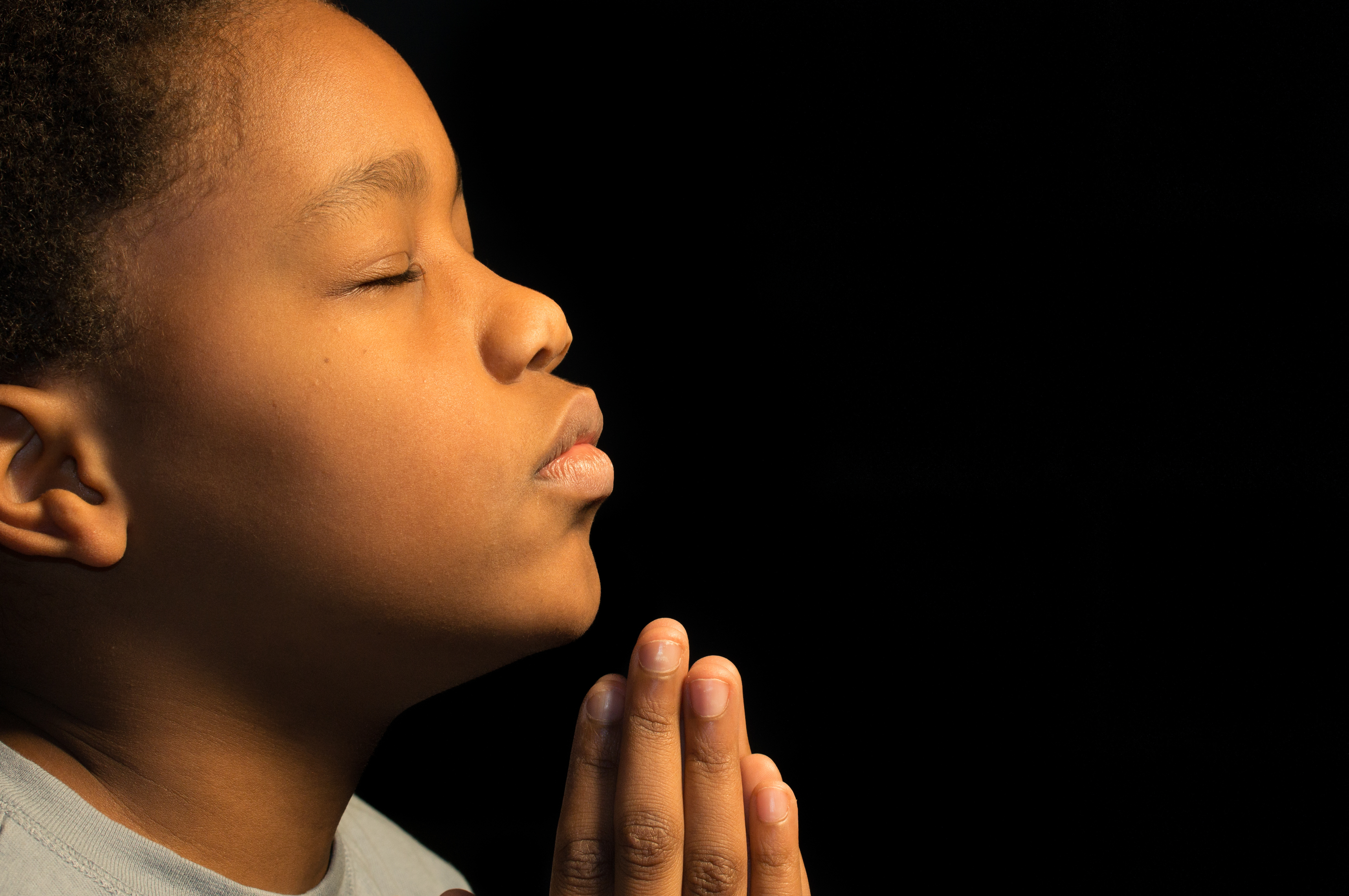
In 2013 a new movement to promote justice for African Americans began. Black Lives Matter has swept the nation protesting vilence and injustice.
2013-present
Don't miss a single page. Find everything you need on our complete sitemap directory.
Listen or read the top speeches from African Americans. Read more
Read about the great African Americans who fought in wars. Read more
African Americans invented many of the things we use today. Read more
Thin jazz, think art, think of great actors and find them here. Read more
Follow the history of Black Americans from slave ships to the presidency. Read more
Olympic winners, MVPS of every sport, and people who broke the color barrier. Read more
These men and women risked and sometimes lost their life to fight for the cause. Read more
Meet the people who worked to change the system from the inside. Read more
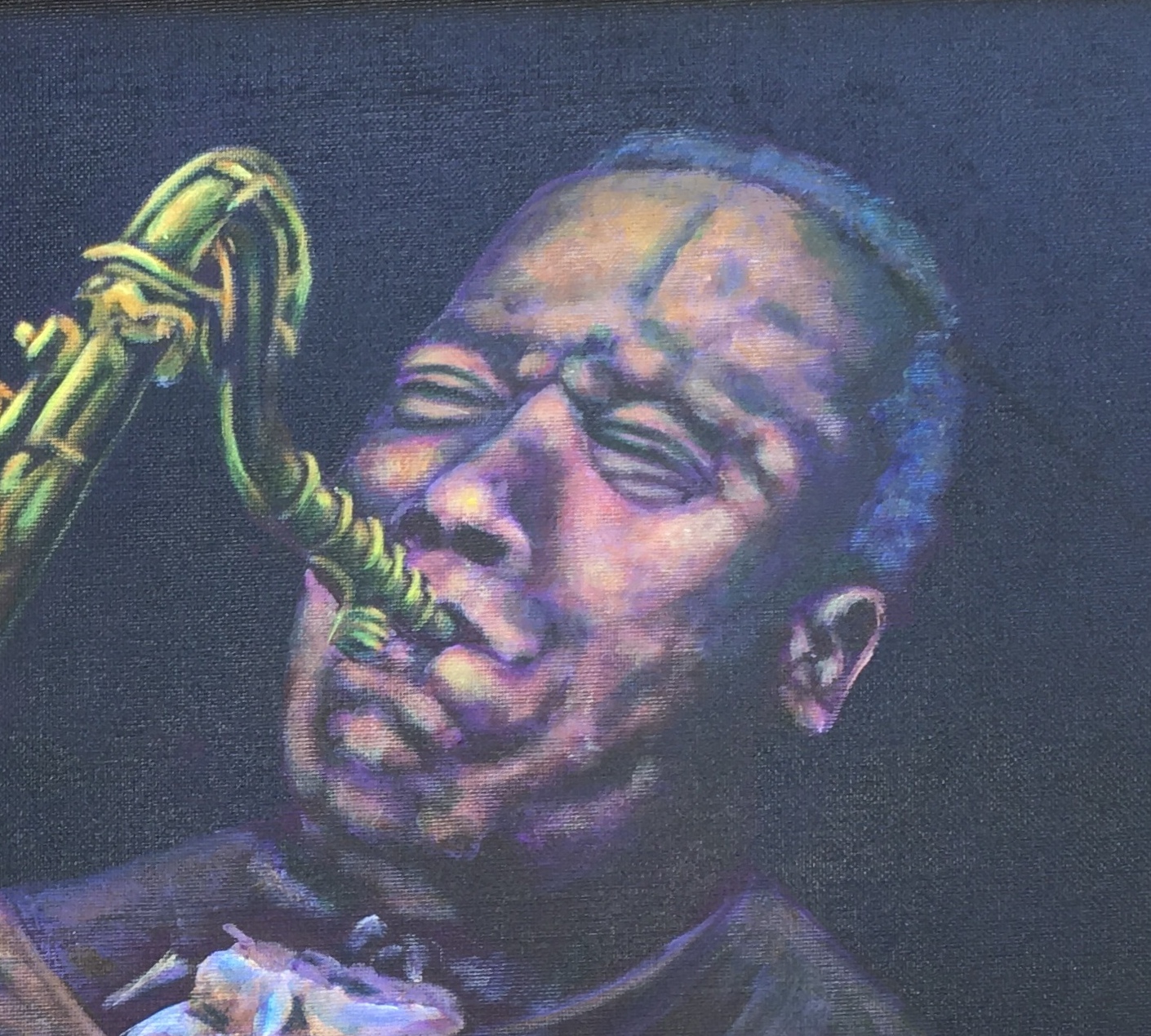
Visit my RedBubble page and use Michael Arnold Art to create greeting cards, T-shirts, mugs, and more.
The variety and impressive numbers of mammals, birds and marine wildlife in Alaska draw visitors from all over the world. For some travelers, Alaska is wilderness, at least compared to what they may know from back home. The pristine wilderness of Alaska is, perhaps, the last vestige of thriving populations of North American wildlife. Where else can you see polar bears, bald eagles, blue and humpbacked whales, gray wolves, grizzly bears, orcas, lynx, moose, and hundreds of other rare and endangered species in their original and undisturbed natural habitats?
Enjoy our website filled with original signed acrylic paintings by award winning Artist Michael Arnold. Located in Citrus County Florida, Michael Arnold is a the editor at the Citrus County Chronicle. When he's not busy being an editor, he is an avid artist who enjoys painting in a variety of styles. We hope you take the time to click on each image to see a larger view and to learn what the artist, Michael Arnold has to say about his paintings.

As dog owners and people who care deeply for animals and wildlife, we wanted our Dog Encyclopedia to be a website that could empower pet owners to create the most positive, loving environment for their dogs. Dog Encyclopedia realizes that owning a dog is like adding a new member to your family.
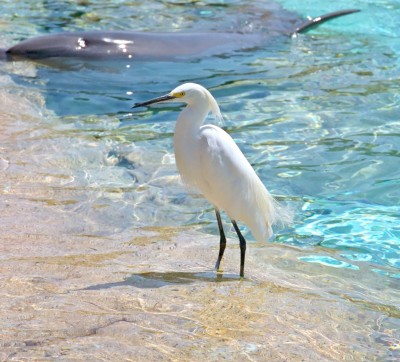
Floridian Nature has everything your are looking for in Florida nature. The wildlife of Florida is rich and varied, yet most of us are familiar with only a dozen or so species: the "well known endangered species such as manatees and panthers; those, like raccoons and squirrels, that have adapted to urban environments; the frightening alligators and black bears; and those like the armadillo who can't seem to cross the road. Yet they are just a few of the many animal species found in Florida.