The begining - The Revolutionary War
African-American history starts in the 17th century with indentured servitude in the American colonies
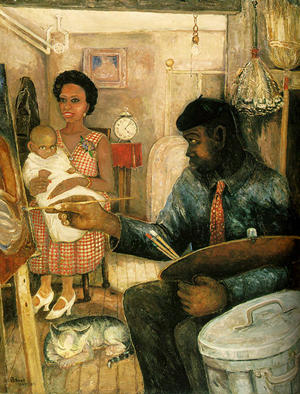
Originally called the New Negro Movement, the Harlem Renaissance was a literary and intellectual flowering that fostered a new black cultural identity that began in Harlem, New York after World War I and ended around 1935 during the Great Depression. The movement raised significant issues affecting the lives of African Americans through various forms of literature, art, music, drama, painting, sculpture, movies, and protests. Voices of protest and ideological promotion of civil rights for African Americans inspired and created institutions and leaders who served as mentors to aspiring writers.
The Harlem Renaissance arose from a generation that had lived through the gains and losses of Reconstruction after the American Civil War. Sometimes their parents or grandparents had been slaves. Many in the Harlem Renaissance were part of the Great Migration out of the South into the black neighborhoods of the North and Midwest. African Americans sought a better standard of living and relief from the institutionalized racism in the South. Others were people of African descent from racially stratified communities in the Caribbean who came to the United States hoping for a better life. Uniting most of them was their convergence in Harlem, New York City.
The Harlem Renaissance encouraged distinctive thinking patterns and very divergent creativity as related to religious and philosophical ideals. In many cases, the climate of this era invited critique and revisions to existing spiritual and theological assumptions. As a result, neo-orthodox approaches to traditional Christianity became popular. This phenomenon included mega-type churches, sect occult approaches, religious nationalists, and highly emotional storefront churches. The artistic and political musings in Harlem impacted spiritual imagination in many ways.
Harlem, New York became the capitol of cultural activity for African-Americans. This period in American history was extremely uplifting to African-Americans as a people. Personalities and individuals connected their expressions in writings, music, and visual artworks as they related to the political, social, and economic conditions of being black in America.
Black-owned magazines and newspapers flourished, freeing African Americans from the constricting influences of mainstream white society. Charles S. Johnson's Opportunity magazine became the leading voice of black culture, and W.E.B. DuBois's journal, The Crisis, with Jessie Redmon Fauset as its literary editor, launched the literary careers of such writers as Langston Hughes, and Countee Cullen.
The white literary establishment soon became fascinated with the writers of the Harlem Renaissance and began publishing them in larger numbers. But for the writers themselves, acceptance by the white world was less important, as Langston Hughes put it, than the "expression of our individual dark-skinned selves."
Sound is often referred to as the “universal language,” that which can touch the human soul. Music is able to transcend race and political preference while invoking the deepest of emotions sometimes without saying a word. Harlem was the center of a musical evolution which uncovered amazing talent and created a unique sound that has yet to be paralleled. Jazz was the newest sound and it attracted both blacks and white to go to nightclubs like the Cotton Club to hear artists like Duke Ellington, Billie Holiday, and Miles Davis. Jazz, a result of the Harlem Renaissance, originated from the musical minds of American Blacks. These include traits that survived from West African music black folk music forms developed in the New World.
In Harlem, jazz music was extremely popular and influential. One of the most popular ideas was the way to play the piano called "stride piano". From this style of playing the piano rose a jazz powerhouse named "Fats" Waller. He himself started yet another jazz technique called the " boogie-woogie". Though this style did not become extremely popular until the latter part of the 1940's, itwould influence the jazz pianists of the younger generations like Teddy Wilson and Art Tatum. The "boogie-woogie" involved a short, accented bass pattern that played repeatedly while the right hand plays freely, using many different rhythms and techniques.
Aside from being the center for artistic and religious movements we must not forget that Harlem was also a hotbed for political movements and heated debates. Black historian, sociologist, and Harvard scholar, W. E. B. Du Bois was at the forefront of the civil rights movement at this time. In 1905 Du Bois, in collaboration with a group of prominent African-American political activists and white civil rights workers, met in New York to discuss the challenges facing the black community. In 1909, the group founded the National Association for the Advancement of Colored People (NAACP), to promote civil rights and fight African-American disenfranchisement.
The National Urban League (NUL) also came into being in the early 20th century. Founded by Ruth Standish Baldwin and Dr. George Edmund Haynes, the fledgling organization counseled black migrants from the South, trained black social workers, and worked to give educational and employment opportunities to blacks.
Together, these groups helped to establish a sense of community and empowerment for African-Americans not only in New York, but also around the country. In addition, they provided a rare opportunity for whites to collaborate with black intellectuals, social activists, educators, and artists in an attempt to transform a largely segregated and racist American society.
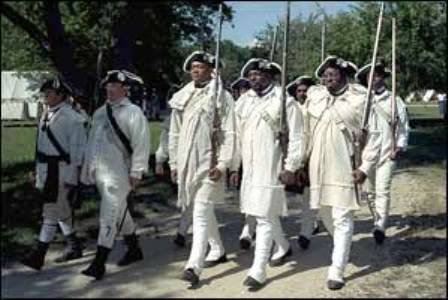
African-American history starts in the 17th century with indentured servitude in the American colonies
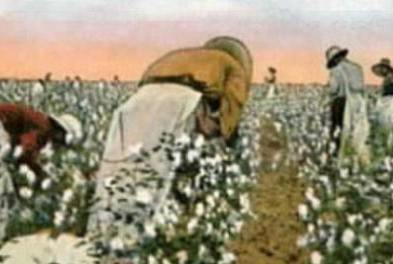
As the cotton-based economy boomed so did slavery, since slaves were needed to man the large-scale and labor-intensive plantations.
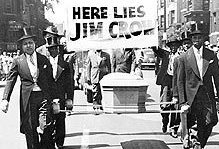
The end of Reconstruction was a staggered process, and the period of Republican control ended at different times in different states.
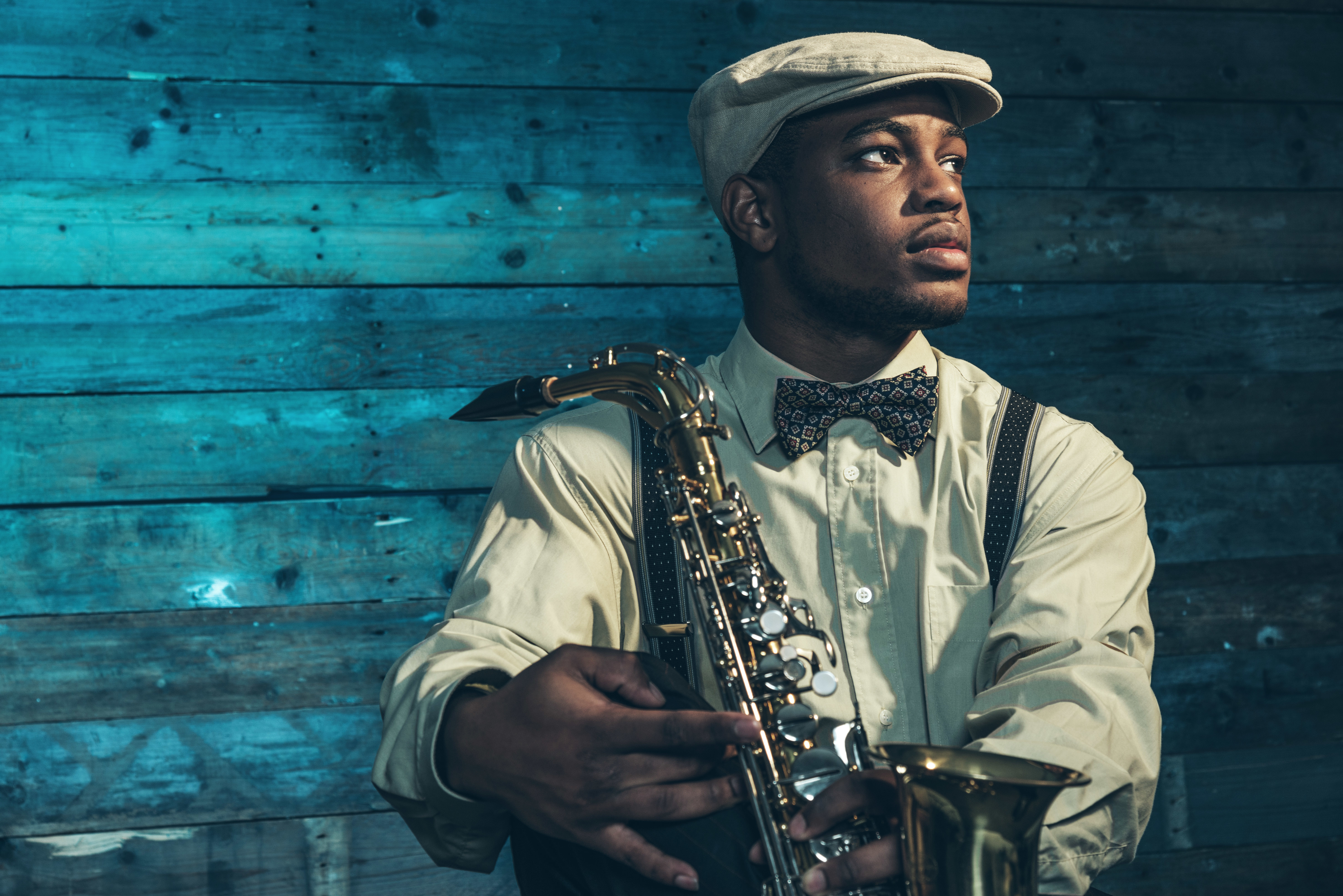
The Harlem Renaissance was a literary and intellectual flowering that fostered a new black cultural identity that began in Harlem, New York.
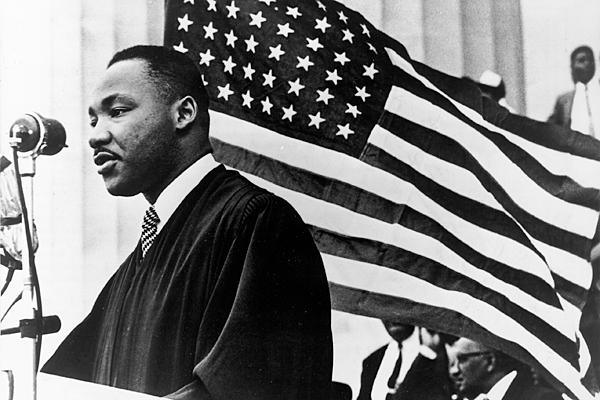
Rosa Parks, Martin Luther King, Malcolm X are some of the names that come to mind when we think of the Civil Rights Movement.
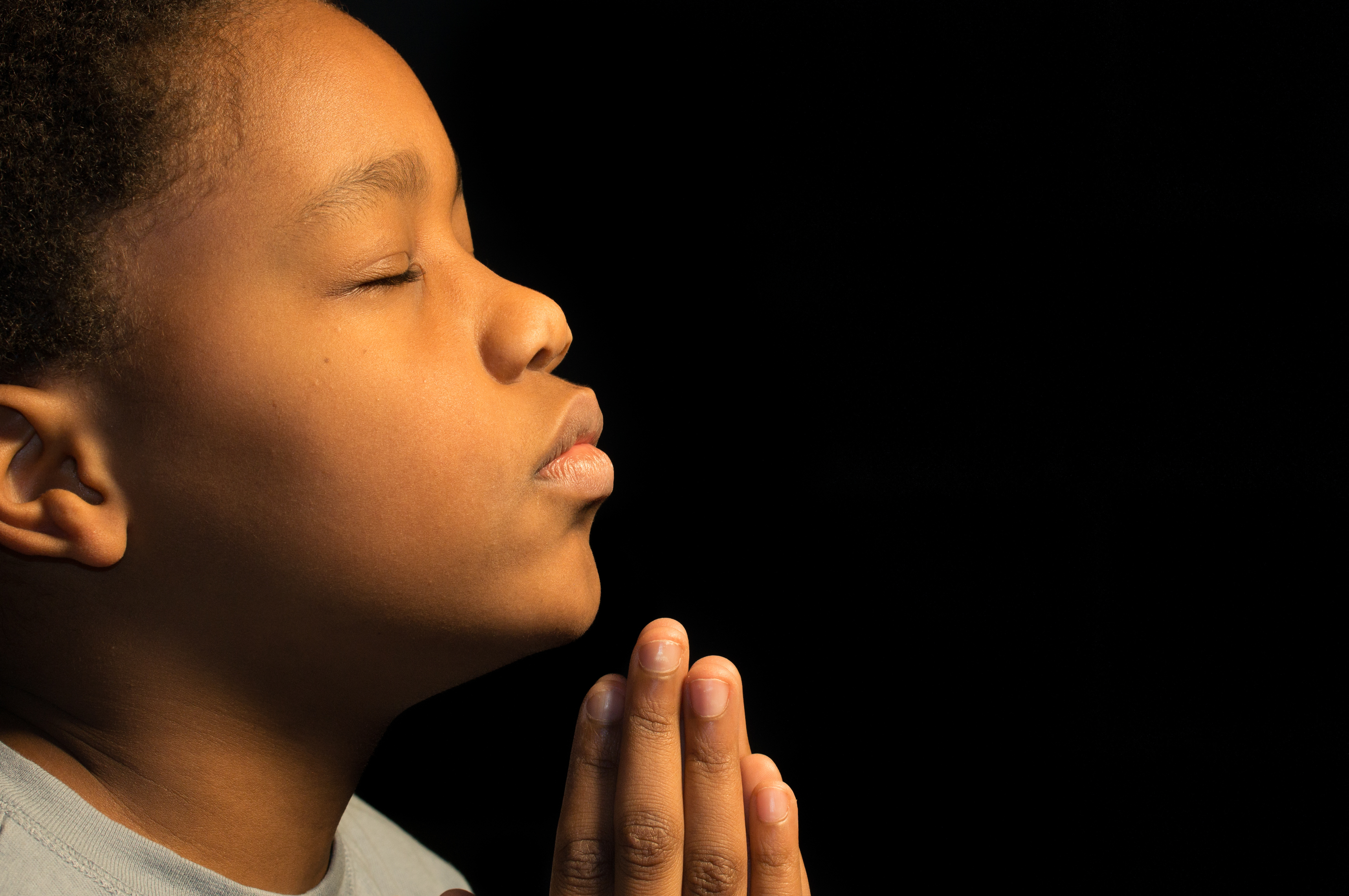
In 2013 a new movement to promote justice for African Americans began. Black Lives Matter has swept the nation protesting vilence and injustice.
2013-present
Don't miss a single page. Find everything you need on our complete sitemap directory.
Listen or read the top speeches from African Americans. Read more
Read about the great African Americans who fought in wars. Read more
African Americans invented many of the things we use today. Read more
Thin jazz, think art, think of great actors and find them here. Read more
Follow the history of Black Americans from slave ships to the presidency. Read more
Olympic winners, MVPS of every sport, and people who broke the color barrier. Read more
These men and women risked and sometimes lost their life to fight for the cause. Read more
Meet the people who worked to change the system from the inside. Read more
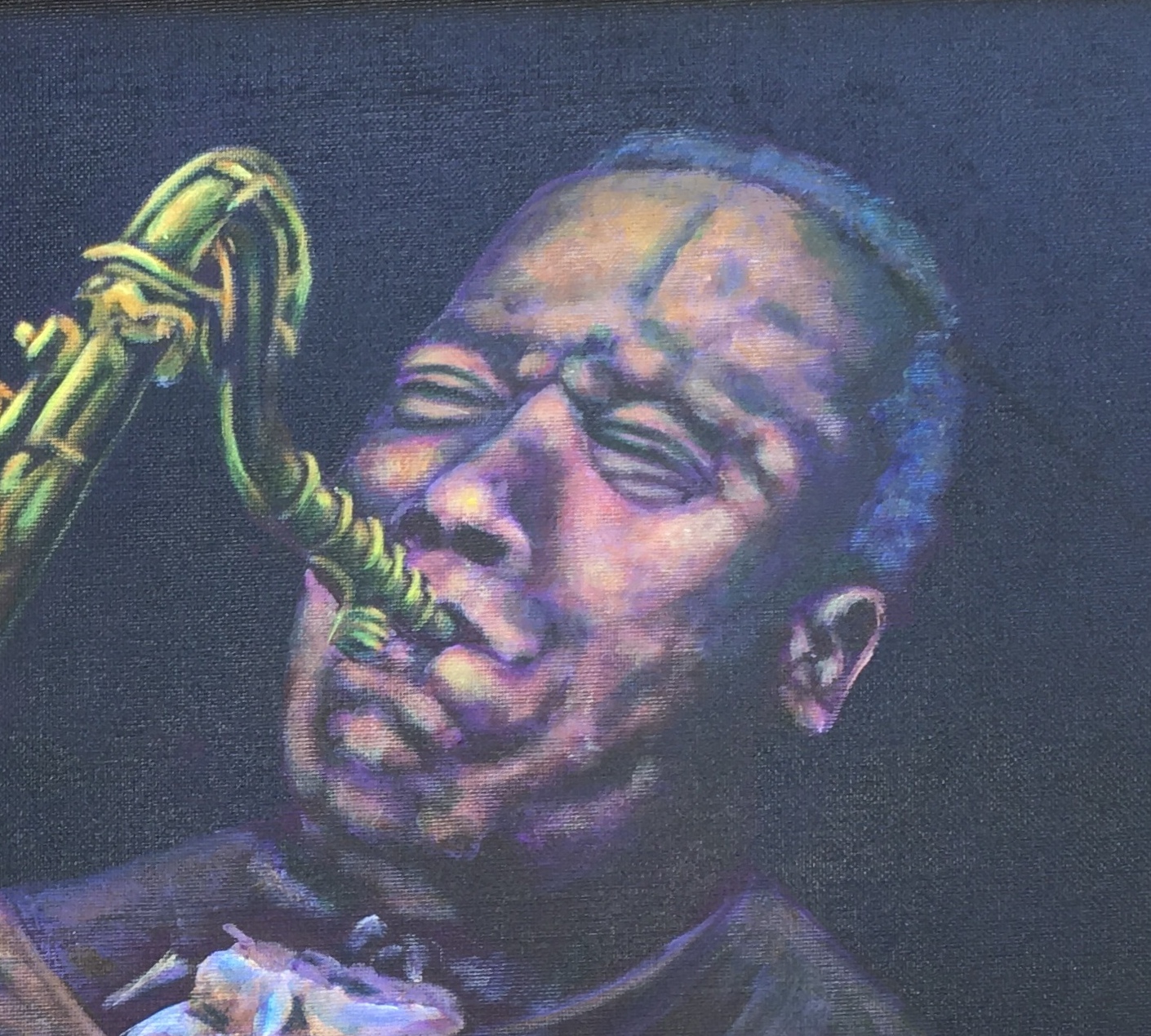
Visit my RedBubble page and use Michael Arnold Art to create greeting cards, T-shirts, mugs, and more.
The variety and impressive numbers of mammals, birds and marine wildlife in Alaska draw visitors from all over the world. For some travelers, Alaska is wilderness, at least compared to what they may know from back home. The pristine wilderness of Alaska is, perhaps, the last vestige of thriving populations of North American wildlife. Where else can you see polar bears, bald eagles, blue and humpbacked whales, gray wolves, grizzly bears, orcas, lynx, moose, and hundreds of other rare and endangered species in their original and undisturbed natural habitats?
Enjoy our website filled with original signed acrylic paintings by award winning Artist Michael Arnold. Located in Citrus County Florida, Michael Arnold is a the editor at the Citrus County Chronicle. When he's not busy being an editor, he is an avid artist who enjoys painting in a variety of styles. We hope you take the time to click on each image to see a larger view and to learn what the artist, Michael Arnold has to say about his paintings.

As dog owners and people who care deeply for animals and wildlife, we wanted our Dog Encyclopedia to be a website that could empower pet owners to create the most positive, loving environment for their dogs. Dog Encyclopedia realizes that owning a dog is like adding a new member to your family.
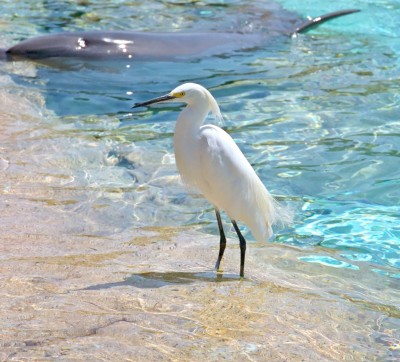
Floridian Nature has everything your are looking for in Florida nature. The wildlife of Florida is rich and varied, yet most of us are familiar with only a dozen or so species: the "well known endangered species such as manatees and panthers; those, like raccoons and squirrels, that have adapted to urban environments; the frightening alligators and black bears; and those like the armadillo who can't seem to cross the road. Yet they are just a few of the many animal species found in Florida.