Revolutionary & Civil War
The Revolutionary War set precedents for black military service. Both Africans and African Americans fought on both sides of this war, often as a means for a black slave to win his freedom.
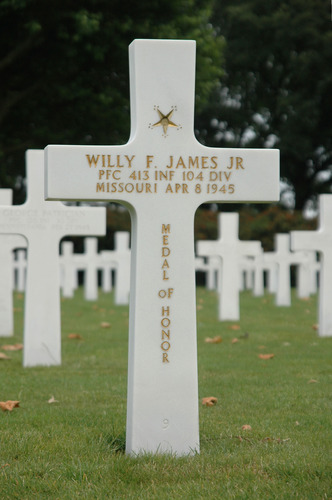
African Americans have fought bravely in every major military action since colonial times. They bravely risked their life for this country while often being treated poorly by racists both in and oout of the military. Separated but never equal in war, black soldiers were often ordered to perform dangerous missions, while at other times being relegated to menial labor duties such as building roads, cooking, or burying the dead.
African Americans were effectively barred from serving in any military branch besides the army until World War II. After each war ended Black Americans continually had their military contributions minimized, yet they often clung to the belief that military service in wartime could lead to greater freedom and opportunity for all African Americans.
The Revolutionary War set precedents for black military service. Both Africans and African Americans fought on both sides of this war. After the war ended, slaves that fought for the British were either returned to their master or evacuated to Nova Scotia and Sierra Leone. Black soldiers from the north who had fought bravely in such battles as Bunker Hill helped convince leaders in several states to abolish slavery in later years.
Upon the outbreak of the Civil War at Fort Sumter, many freed African American men answered the call of the nation. Unfortunately, a 1792 Federal law barred African American from enlisting in the Army. It wasn't until 1862 that Congress allowed slaves to join, but only with their master's approval. During the war, President Lincoln issued the Emancipation Proclamation, which freed remaining slaves from the confederate south. Although African American Soldiers fought on both sides of the Civil War, the true victory was the abolition of slavery. When the Civil War finally came to an end, 16 African American Soldiers had been awarded the Medal of Honor.
Following the Civil War, the Army disbanded volunteer “colored” regiments, and established six Regular Army regiments of black troops with white officers. In 1869, the infantry regiments were reorganized into the 24th and 25th Infantry. The two cavalry regiments, the 9th and 10th, were retained. These regiments were posted in the West and Southwest where they were heavily engaged in the Indian War. During the Spanish-American War, all four regiments saw service.
When World War I broke out, there were four all-black regiments: the 9th and 10th Cavalry and the 24th and 25th Infantry. The men in these units were considered heroes in their communities. Within one week of Wilson’s declaration of war, the War Department had to stop accepting black volunteers because the quotas for African Americans were filled.
African Americans made up over one million of the more than 16 million U.S. men and women to serve in World War II. Some of these men served in infantry, artillery, and tank units. As General George S. Patton Jr. swept across France into Germany, in his Third Army were African American combat units. In 1945, there were approximately 240 field artillery battalions in Europe. Approximately eight of these battalions were composed of African Americans. The 999th Field Artillery was one of these African American battalions in Patton’s Third Army. They manned an eight-inch Howitzer that could fire at 200 lb. Projectile up to 10 miles. In combat, this battalion fired approximately 22,200 rounds.
The Tuskegee Airmen were the first African American military aviators in the United States armed forces. During World War II, African Americans in many U.S. states still were subject to racist, so-called Jim Crow laws. The American military was racially segregated, as was much of the federal government. The Tuskegee Airmen were subject to racial discrimination, both within and outside the army. Despite these adversities, they trained and flew with distinction. Although the 477th Bombardment Group "worked up" on North American B-25 Mitchell bombers, they never served in combat; the Tuskegee 332nd Fighter Group was the only operational unit, first sent overseas as part of Operation Torch, then in action in Sicily and Italy, before being deployed as bomber escorts in Europe where they were particularly successful in their missions.
The Vietnam War saw the highest proportion of blacks ever to serve in an American war. During the height of the U.S. involvement, 1965-69, blacks, who formed 11 percent of the American population, made up 12.6 percent of the soldiers in Vietnam. The majority of these were in the infantry, and although authorities differ on the figures, the percentage of black combat fatalities in that period was a staggering 14.9 percent, a proportion that subsequently declined. Volunteers and draftees included many frustrated blacks whose impatience with the war and the delays in racial progress in America led to race riots on a number of ships and military bases, beginning in 1968, and the services' response in creating interracial councils and racial sensitivity training.
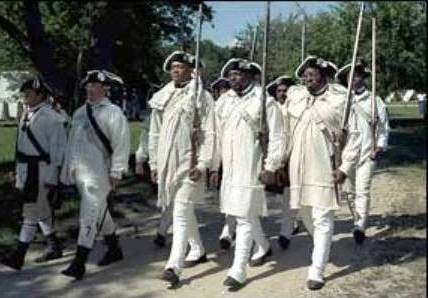
The Revolutionary War set precedents for black military service. Both Africans and African Americans fought on both sides of this war, often as a means for a black slave to win his freedom.
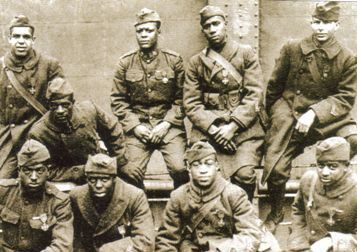
When World War I broke out, there were four all-black regiments: the 9th and 10th Cavalry and the 24th and 25th Infantry.
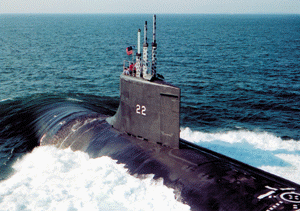
African Americans made up over one million of the more than 16 million U.S. men and women to serve in World War II. Some of these men served in infantry, artillery, and tank units.
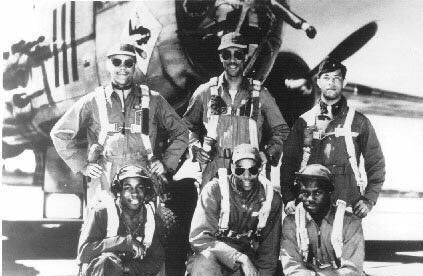
The Tuskegee Airmen were the first African American military aviators in the United States armed forces.
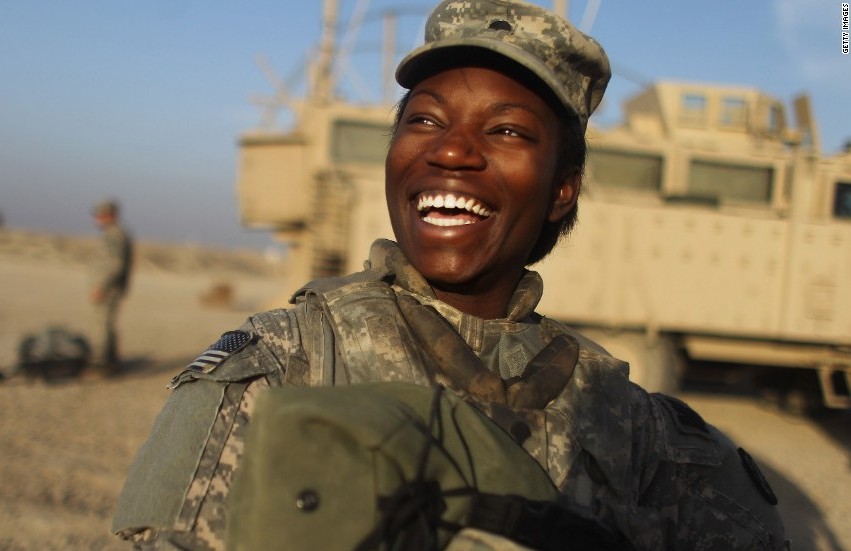
The Vietnam War saw the highest proportion of blacks ever to serve in an American war. During the height of the U.S. involvement blacks, who formed 11 percent of the American population, made up 12.6 percent of the soldiers in Vietnam.
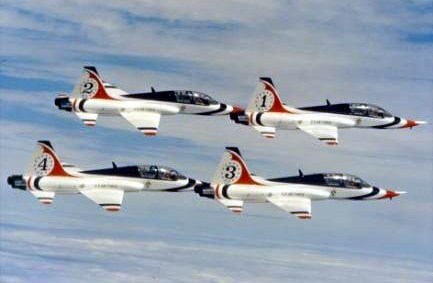
In May 1917, Fort Des Moines opened its doors to black officer-trainees. Approximately 1,250 men attended the camp. .
Don't miss a single page. Find everything you need on our complete sitemap directory.
Listen or read the top speeches from African Americans. Read more
Read about the great African Americans who fought in wars. Read more
African Americans invented many of the things we use today. Read more
Thin jazz, think art, think of great actors and find them here. Read more
Follow the history of Black Americans from slave ships to the presidency. Read more
Olympic winners, MVPS of every sport, and people who broke the color barrier. Read more
These men and women risked and sometimes lost their life to fight for the cause. Read more
Meet the people who worked to change the system from the inside. Read more
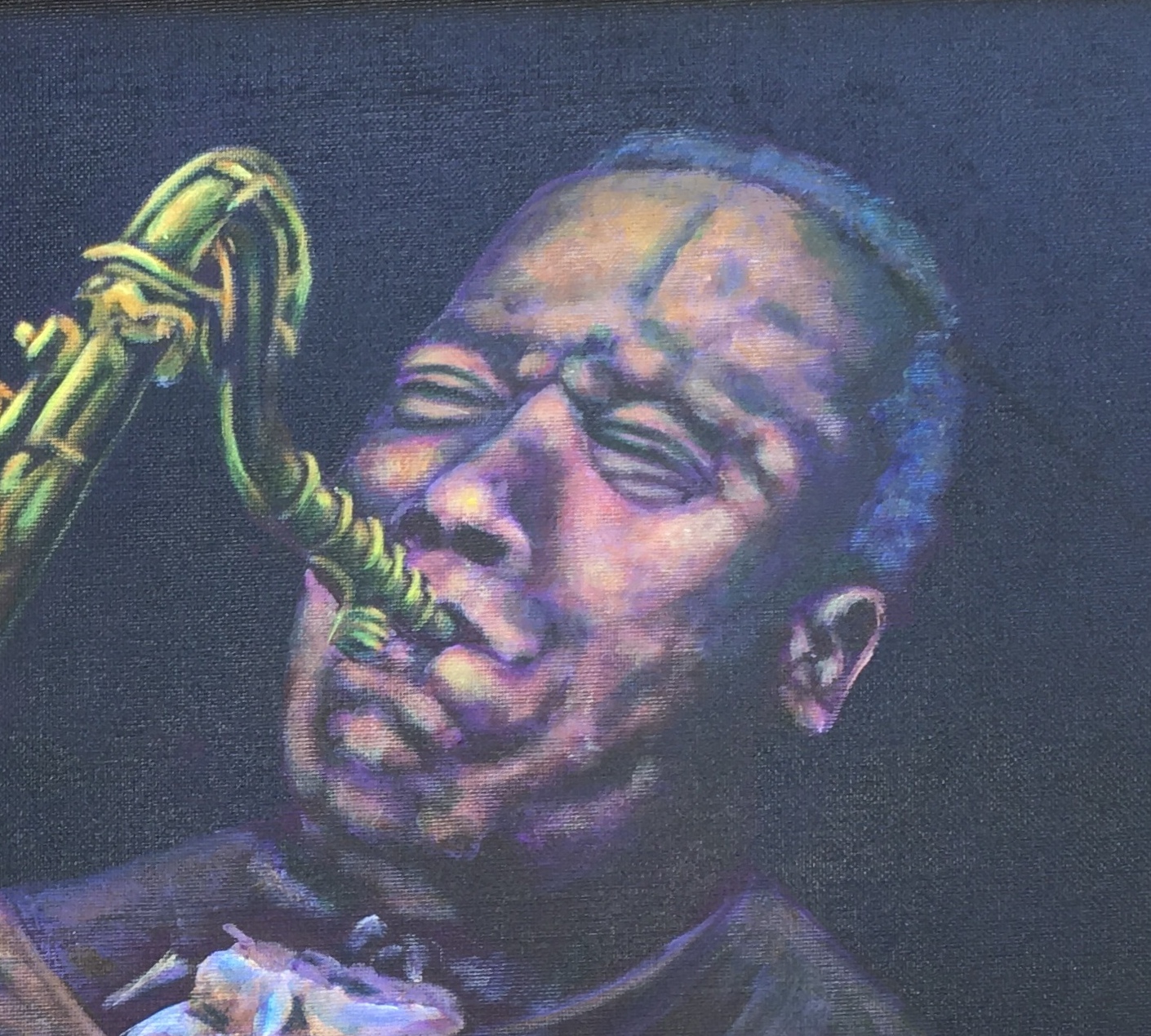
Visit my RedBubble page and use Michael Arnold Art to create greeting cards, T-shirts, mugs, and more.
The variety and impressive numbers of mammals, birds and marine wildlife in Alaska draw visitors from all over the world. For some travelers, Alaska is wilderness, at least compared to what they may know from back home. The pristine wilderness of Alaska is, perhaps, the last vestige of thriving populations of North American wildlife. Where else can you see polar bears, bald eagles, blue and humpbacked whales, gray wolves, grizzly bears, orcas, lynx, moose, and hundreds of other rare and endangered species in their original and undisturbed natural habitats?
Enjoy our website filled with original signed acrylic paintings by award winning Artist Michael Arnold. Located in Citrus County Florida, Michael Arnold is a the editor at the Citrus County Chronicle. When he's not busy being an editor, he is an avid artist who enjoys painting in a variety of styles. We hope you take the time to click on each image to see a larger view and to learn what the artist, Michael Arnold has to say about his paintings.

As dog owners and people who care deeply for animals and wildlife, we wanted our Dog Encyclopedia to be a website that could empower pet owners to create the most positive, loving environment for their dogs. Dog Encyclopedia realizes that owning a dog is like adding a new member to your family.
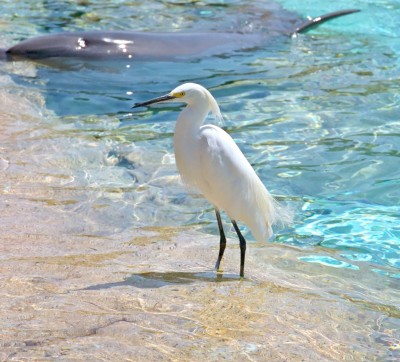
Floridian Nature has everything your are looking for in Florida nature. The wildlife of Florida is rich and varied, yet most of us are familiar with only a dozen or so species: the "well known endangered species such as manatees and panthers; those, like raccoons and squirrels, that have adapted to urban environments; the frightening alligators and black bears; and those like the armadillo who can't seem to cross the road. Yet they are just a few of the many animal species found in Florida.