Harlem Renaissance
In the early 1920's there was a movement called the "Negro" or "Harlem Renaissance". This resurgence of literature, knowledge, and the arts coming out of New York was powerful.
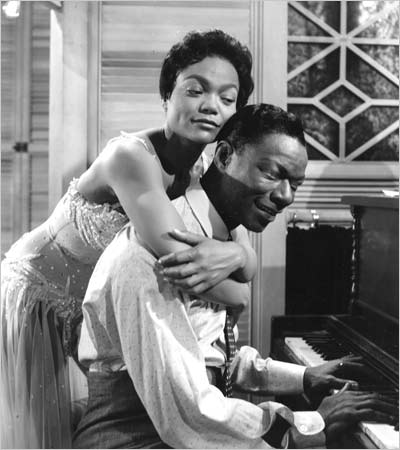
The definition of an artist is wide-ranging and covers a broad spectrum of activities to do with creating art, practicing the arts and/or demonstrating an art. In deciding which African American artists we would highlight on our websites, we wanted to recognize persons, living or deceased, who have made significant contributions to the arts in America either as performing or practicing black artist in individual disciplines.
Think American arts and think African American: Ralph Ellison's Invisible Man, Duke Ellington's "Mood Indigo," Jacob Lawrence's "Migration of the Negro." Artistic works by African Americans have revolutionized the American arts scene and given the cultural face America shows the outside world its verve and vigor.
Being a artist requires talent, but, for the African-American artists, talent is not always enough. In nineteenth century America, race often determined who could be trained in the arts. There were no special schools or places where African-Americans could freely exhibit their talents. These talented artists were excluded from the academies, associations, and teaching institutions available to white artists. In rare cases, beneficent white families broke the rules and provided knowledge, direction, and resources to budding African-American talents in the arts. Many of these white patrons were among the abolitionists of this period in American history.
In the early 1920's there was a movement was called the "Negro" or "Harlem Renaissance". This resurgence of literature, knowledge, and the arts coming out of New York was powerful. A fertile and acceptable door had been opened to African-American musicians, writers, poets, intellectuals, entrepreneurs, and visual artists. The opportunity was now available to grow and show off their best talents. From 1919 to about 1929, Harlem, New York became the capitol of cultural activity for African-Americans. This period in American history was extremely uplifting to African-Americans as a people. Personalities and individuals connected their expressions in writings, music, and visual artworks as they related to the political, social, and economic conditions of being black in America.
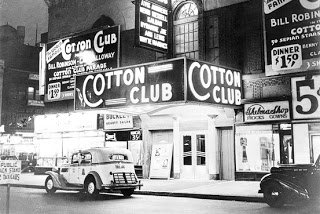
One of the best speakeasies in Harlem was the Cotton Club, a place that intended to have the look and feel of a luxurious Southern plantation. To complete the theme, only African-American entertainers could perform there, while only white clientele (with few exceptions) were allowed to patronize the establishment. This attracted high-powered celebrity visitors such as Cole Porter, Bing Crosby and Doris Duke to see the most talented black entertainers of the day. Some of the most famous jazz performers of the time - including singer Lena Horne, composer and musician Duke Ellington, and singer Cab Calloway - graced the Cotton Club stage.
Attending clubs in Harlem allowed whites from New York and its surrounding areas to indulge in two taboos simultaneously: to drink, as well as mingle with blacks. Jazz musicians often performed in these clubs, exposing white clientele to what was typically an African-American form of musical entertainment. As jazz hit the mainstream, many members of older generations began associating the raucous behavior of young people of the decade with jazz music. They started referring to the 20s, along with its new dance styles and racy fashions, as “The Jazz Age.”
By 1926, another stage in the developmental history of African-American visual artists came about. It was the establishment of the Harmon Foundation. The Harmon Foundation became an anchor for promoting the works of African-American artists. William E. Harmon, a real estate magnate, became the chief philanthropist and patron in the support of African-American artists and culture. Harmon's interest in African-American artists reflected "his interest in promoting justice and social commitment." The "deprivation of black Americans, he reasoned, was a national problem, not simply a burden on blacks alone." The Harmon Foundation existed from 1922 to the end of 1967.
The 1940's and 1950's were not easy times for the African-American artists. Only the acceptable, critically acclaimed few were able to work and produce lucrative pieces of art. Patrons of the arts were still mostly white and wealthy. Artists like the Florida "Highwaymen" found an unique way to sell and display their art, by producing in mass quantities and selling their artwork on the side of the road. Thornton Dial's art functions like folk tales, combining African and American traditions to tell stories that are at once personal, political, and spiritual.
In the early 1920's there was a movement called the "Negro" or "Harlem Renaissance". This resurgence of literature, knowledge, and the arts coming out of New York was powerful.
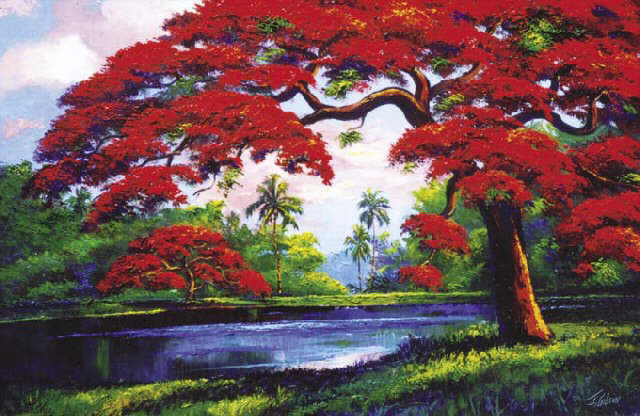
Artists like the Florida "Highwaymen" found an unique way to sell and display their art, by producing in mass quantities and selling their artwork on the side of the road.
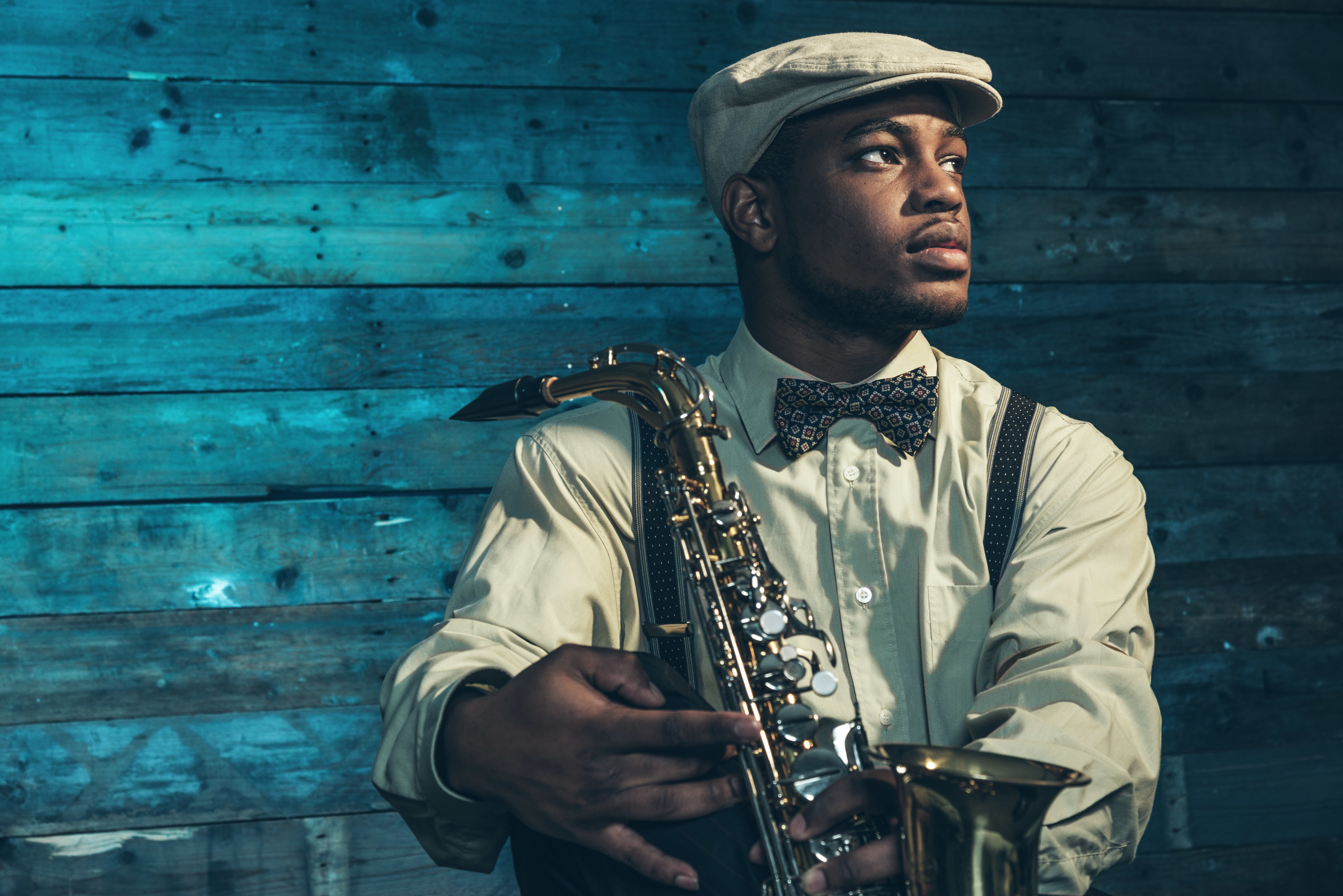
African American musician Charlie Parker was one of the most widely influential soloists in jazz history and one of the creators of a new style of playing called bop, or bebop.
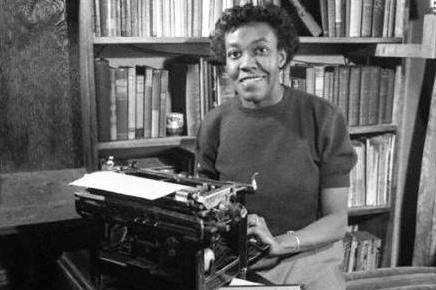
African-American writers have risen above racial inequality to examine life in both fiction and nonfiction arenas. They have provided intimate life details, presented new ideas and created storylines that rise to the top of their field.
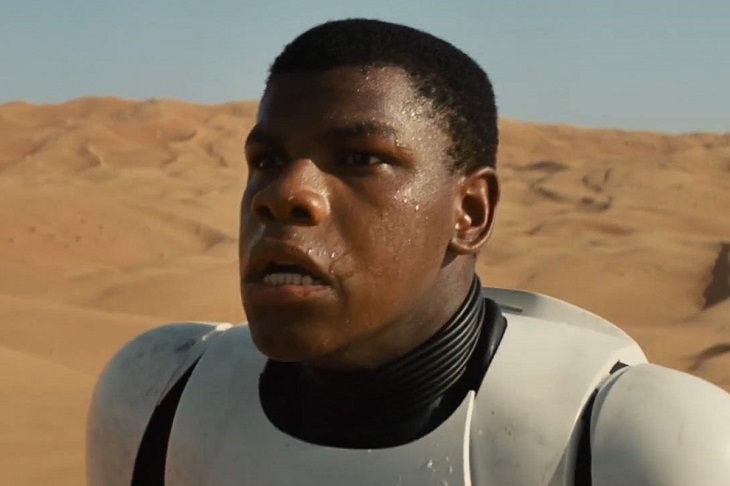
When “Gone With the Wind” opened in 1939, Jim Crow laws prevented McDaniel from attending the film’s premiere. When she won her Oscar, she wasn’t even seated with the rest of her cast.
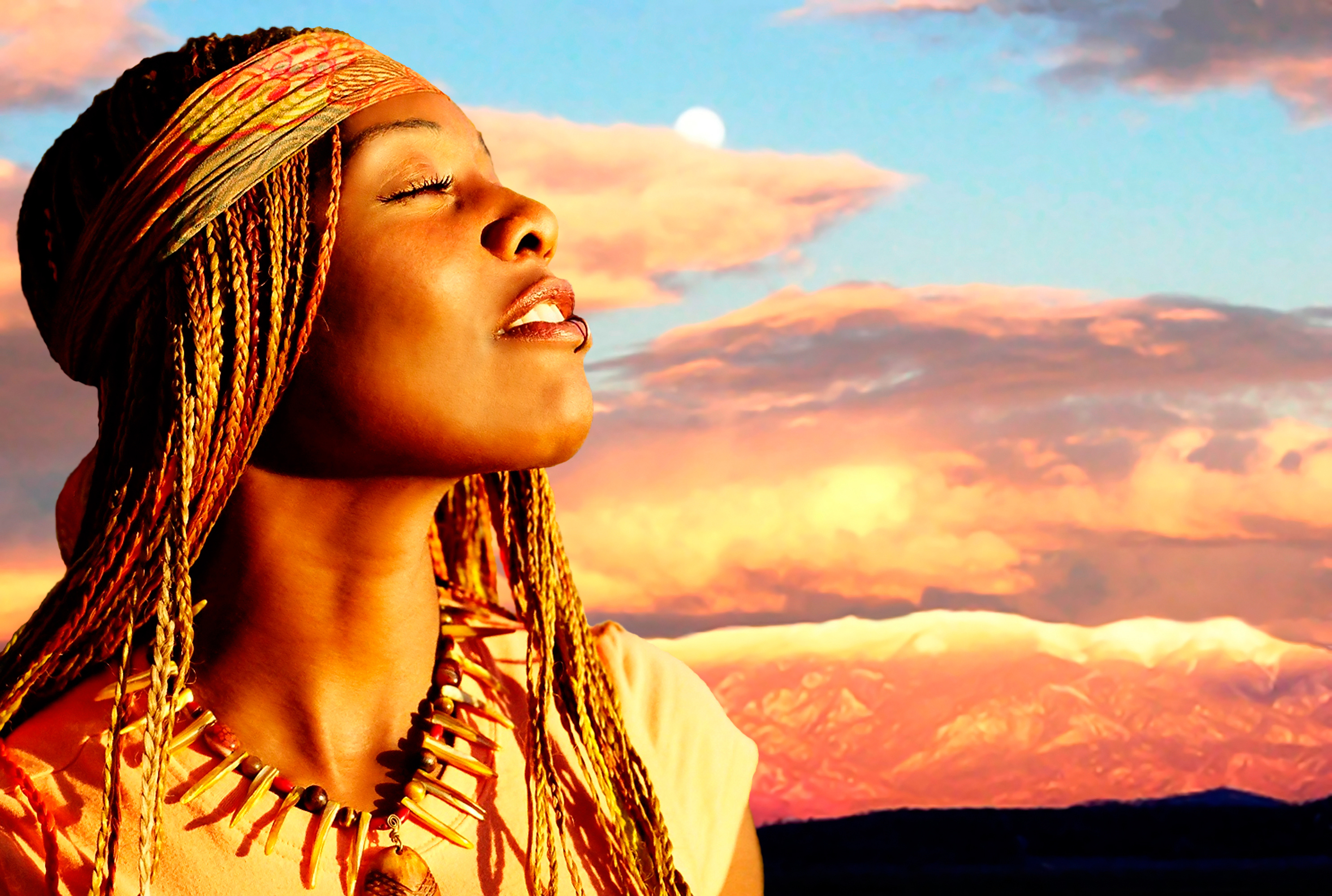
The earliest jazz and blues recordings were made in the 1920s. In the 1960s, soul performers had a major influence on white US.
Don't miss a single page. Find everything you need on our complete sitemap directory.
Listen or read the top speeches from African Americans. Read more
Read about the great African Americans who fought in wars. Read more
African Americans invented many of the things we use today. Read more
Thin jazz, think art, think of great actors and find them here. Read more
Follow the history of Black Americans from slave ships to the presidency. Read more
Olympic winners, MVPS of every sport, and people who broke the color barrier. Read more
These men and women risked and sometimes lost their life to fight for the cause. Read more
Meet the people who worked to change the system from the inside. Read more
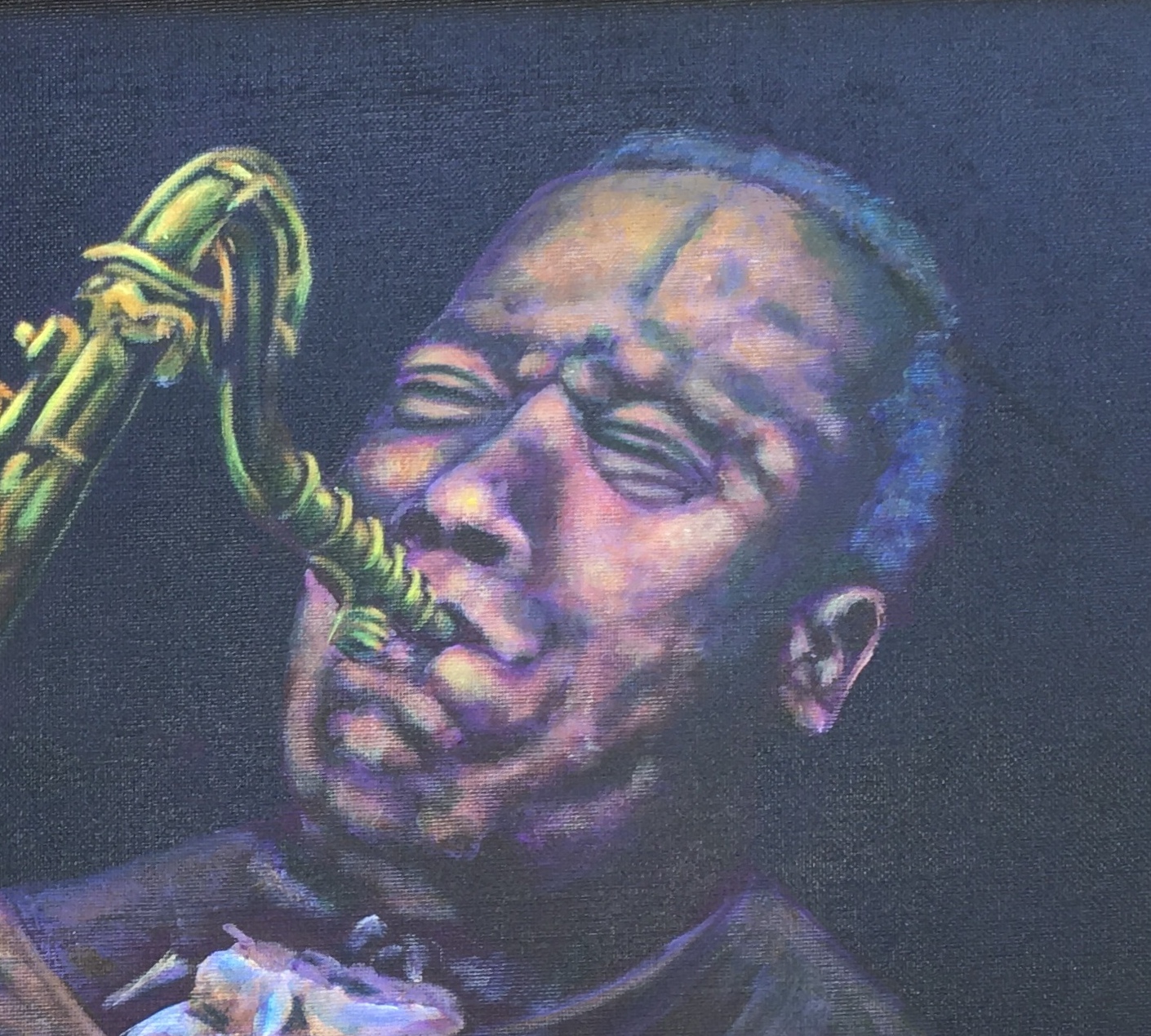
Visit my RedBubble page and use Michael Arnold Art to create greeting cards, T-shirts, mugs, and more.
The variety and impressive numbers of mammals, birds and marine wildlife in Alaska draw visitors from all over the world. For some travelers, Alaska is wilderness, at least compared to what they may know from back home. The pristine wilderness of Alaska is, perhaps, the last vestige of thriving populations of North American wildlife. Where else can you see polar bears, bald eagles, blue and humpbacked whales, gray wolves, grizzly bears, orcas, lynx, moose, and hundreds of other rare and endangered species in their original and undisturbed natural habitats?
Enjoy our website filled with original signed acrylic paintings by award winning Artist Michael Arnold. Located in Citrus County Florida, Michael Arnold is a the editor at the Citrus County Chronicle. When he's not busy being an editor, he is an avid artist who enjoys painting in a variety of styles. We hope you take the time to click on each image to see a larger view and to learn what the artist, Michael Arnold has to say about his paintings.
As dog owners and people who care deeply for animals and wildlife, we wanted our Dog Encyclopedia to be a website that could empower pet owners to create the most positive, loving environment for their dogs. Dog Encyclopedia realizes that owning a dog is like adding a new member to your family.
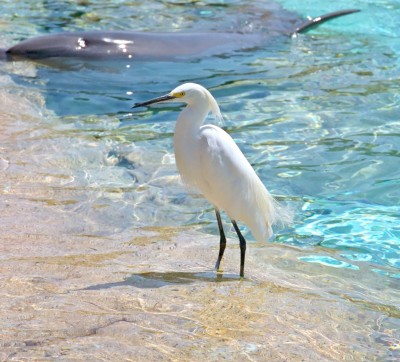
Floridian Nature has everything your are looking for in Florida nature. The wildlife of Florida is rich and varied, yet most of us are familiar with only a dozen or so species: the "well known endangered species such as manatees and panthers; those, like raccoons and squirrels, that have adapted to urban environments; the frightening alligators and black bears; and those like the armadillo who can't seem to cross the road. Yet they are just a few of the many animal species found in Florida.